
A pontoon ride offers one of the most relaxing ways to explore Malta's stunning coastline, combining comfort with breathtaking sea views. Whether you're planning your first boat trip or looking for the perfect way to experience the Mediterranean, understanding what makes a great pontoon experience helps you choose the right adventure. From traditional Maltese fishing boats to modern vessels, Malta's coastal waters provide the ideal setting for memorable journeys along dramatic cliffs, hidden bays, and crystal-clear swimming spots.
What Makes a Pontoon Ride Special
A pontoon ride stands out from other boat experiences because of its stable, flat-decked design that creates a comfortable platform for passengers. The wide deck space allows everyone to move around freely, find their perfect spot, and enjoy unobstructed views of the passing coastline. Unlike narrower boats, pontoon vessels provide ample seating areas, making them ideal for families, groups of friends, or anyone who values comfort while exploring the water.
The stability of a pontoon ride means less rocking motion, which benefits passengers who might feel uneasy on smaller craft. This smooth experience lets you focus entirely on the scenery rather than worrying about balance. In Malta's southern waters, this stability becomes especially valuable when passing through areas with slightly choppier conditions near headlands or when stopping for swimming breaks.
Comfort Features That Matter
Modern pontoon rides typically include sunshade coverage, cushioned seating, and easy boarding steps. These practical touches transform a simple boat trip into a pleasant outing where you can truly relax. The shade proves essential during Malta's sunny summer months, protecting you from direct sunlight while still allowing you to enjoy the warm Mediterranean climate.
- Spacious deck layout for easy movement and social interaction
- Protected seating areas with canopy coverage
- Accessible entry points suitable for various mobility levels
- Storage compartments for personal belongings and equipment
- Safety railings around the perimeter for peace of mind
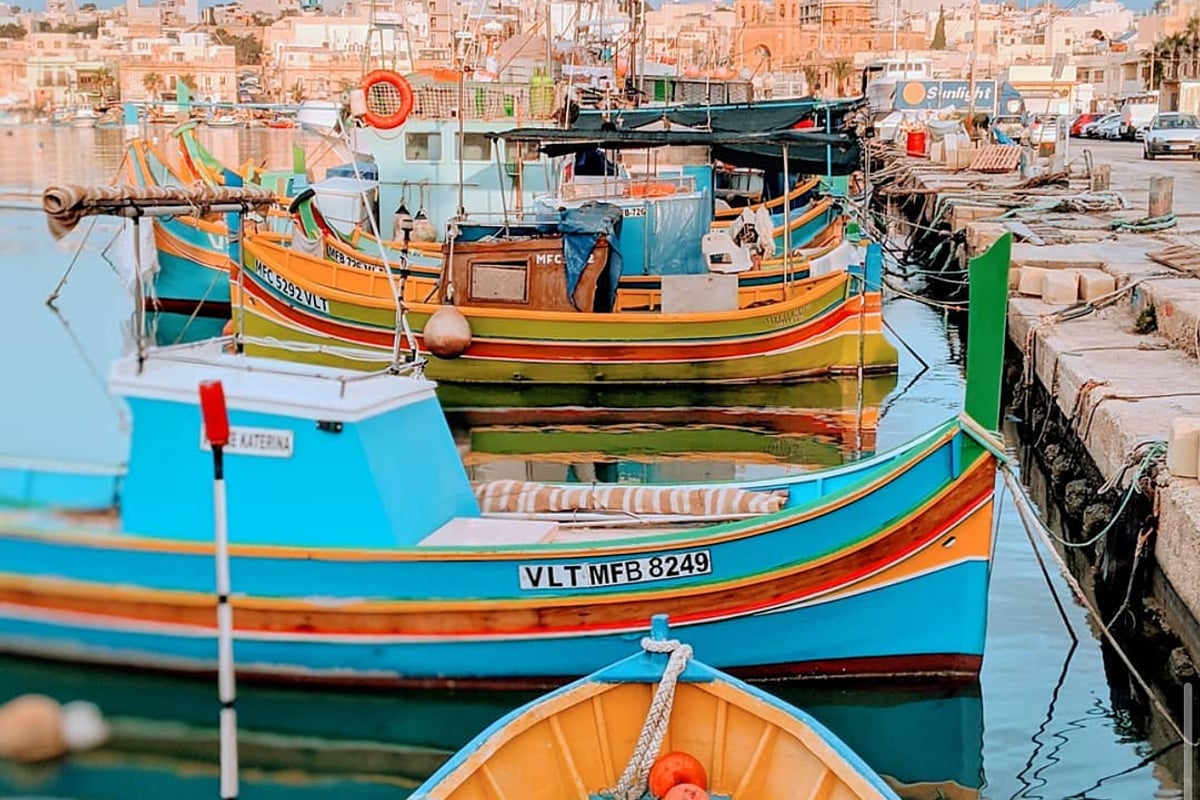
Malta's traditional luzzu boats, while not technically pontoons, offer similar benefits with their stable, broad-beamed design. These colorful fishing boats have carried Maltese families for generations and now provide tourists with authentic coastal experiences. Rima Cruises operates these traditional vessels from Marsaxlokk, combining classic boat design with modern safety standards and comfortable amenities.
Planning Your Perfect Pontoon Experience
Choosing the right pontoon ride depends on several factors including duration, route, group size, and personal preferences. Most coastal tours run between one and three hours, giving you enough time to see significant landmarks without feeling rushed. Shorter trips work well for families with young children or anyone wanting a quick taste of sea exploration, while longer journeys allow for swimming stops and more comprehensive coastal viewing.
Consider what you want most from your time on the water. Some passengers prioritize photography opportunities and prefer slower cruising speeds with frequent stops at scenic points. Others seek adventure and swimming time at remote locations only accessible by boat. Think about your comfort with sun exposure, your interest in local history, and whether you prefer sharing the experience with other travelers or booking private trips.
Best Times for Pontoon Rides
| Season | Water Conditions | Crowds | Best For |
|---|---|---|---|
| Spring (March-May) | Calm, cool water | Moderate | Photography, wildlife |
| Summer (June-August) | Warm, ideal swimming | Higher | Beach stops, swimming |
| Autumn (September-November) | Still warm, clearer | Lower | Peaceful cruising |
| Winter (December-February) | Cooler, occasionally choppy | Minimal | Sightseeing only |
Morning departures offer calmer waters and softer light for photographs, while evening cruises provide spectacular sunset views over the Mediterranean. The time of day significantly affects your experience, with early trips being cooler and less crowded, and late afternoon journeys offering golden hour lighting that makes coastal cliffs glow.
Weather conditions play a crucial role in pontoon ride quality. Malta enjoys over 300 sunny days annually, but wind patterns can create choppier conditions, especially during spring. Check forecasts before booking and don't hesitate to ask operators about typical conditions for your chosen date. Experienced local captains can provide accurate insights about what to expect.
What to Expect During Your Trip
Your pontoon ride begins with a safety briefing covering life jacket locations, emergency procedures, and general boat etiquette. Pay attention to these instructions even if you're an experienced swimmer. The captain will explain the planned route, estimated duration, and any stops included in your trip. Feel free to ask questions about landmarks, wildlife, or anything you're curious about.
As you depart the harbor, the boat typically moves slowly through busy areas before opening up to cruising speed once in open water. This gradual acceleration helps everyone settle in comfortably. The captain navigates close enough to shoreline features for good viewing while maintaining safe distances from rocks and shallow areas.
Swimming and Snorkeling Stops
Many pontoon rides include designated swimming breaks at protected bays or natural pools. These stops typically last 20-40 minutes, giving you time to cool off, explore underwater features, and enjoy the crystal-clear Mediterranean water. The boat remains anchored nearby, providing a stable platform for reboarding and a convenient spot to leave towels and belongings.
Essential items for swimming stops:
- Swimwear worn under clothes for quick changes
- Towel for drying off afterwards
- Reef-safe sunscreen applied before departure
- Water shoes for rocky entry points
- Snorkel gear if provided or permitted
St. Peter's Pool represents one of Malta's most popular swimming destinations, accessible primarily by boat or lengthy walks. This natural infinity pool carved into the limestone coastline offers deep, clear water perfect for diving and snorkeling. The surrounding flat rocks provide sunbathing spots, though shade is limited. When planning a pontoon ride that includes St. Peter's Pool, expect this to be a highlight stop where many passengers spend significant time in the water.
Coastal Landmarks and Sightseeing
A pontoon ride along Malta's southern coast reveals centuries of maritime history through fortifications, lighthouses, and traditional salt pans. Each landmark tells part of the island's story, from medieval defensive structures to working industries that continue today. Your captain's commentary brings these sites to life, explaining their historical significance and pointing out details you might otherwise miss.
Fort Delimara stands prominently on the headland, its stone walls built by the British to protect Grand Harbour's approaches. The Delimara Lighthouse guides vessels with its distinctive light pattern, while nearby salt pans demonstrate traditional harvesting methods still practiced during summer months. These white-rimmed pools create geometric patterns against the golden limestone, especially photogenic from the water perspective a pontoon ride provides.
Hidden Bays and Caves
The coastline between Marsaxlokk and Delimara conceals numerous small bays and sea caves accessible only from the water. Kalanka Bay offers a sheltered inlet with turquoise shallows, while Hofriet Bay and Cave provide dramatic rock formations where light plays across the water surface. Exploring these features from a pontoon ride gives you access to Malta's less-visited natural wonders without the crowds found at more famous beaches.
Pontoon rides can navigate close to cave entrances, allowing passengers to peer into these geological formations and understand how wave action carved them over millennia. The stable platform of a pontoon vessel makes these close approaches comfortable, even for passengers who might feel nervous on smaller boats in confined spaces.
Safety Considerations and Best Practices
Reputable pontoon ride operators prioritize passenger safety through regular vessel maintenance, certified equipment, and experienced captains. All boats should carry sufficient life jackets for every passenger, first aid supplies, communication devices, and navigation equipment. Before boarding, verify that your chosen operator displays proper licensing and insurance documentation.
Understanding basic pontoon boat maintenance helps you appreciate the preparation that goes into safe operations. Professional operators conduct regular inspections of pontoons for leaks or damage, check engines systematically, and ensure all safety equipment remains current and functional. While passengers don't need technical knowledge, recognizing these behind-the-scenes efforts builds confidence in your chosen operator.
Safety guidelines for passengers:
- Follow all captain instructions immediately
- Remain seated while the boat is moving
- Keep hands and feet inside the vessel
- Never jump from the boat without permission
- Use provided life jackets if requested
- Stay hydrated throughout the trip
Listen carefully to your captain's guidance about where it's safe to move around the boat and when you should remain seated. Conditions can change quickly on the water, and experienced captains make decisions based on factors passengers might not recognize. Cooperation ensures everyone enjoys a smooth, safe experience.
Choosing Between Group and Private Trips
Group pontoon rides offer social atmosphere and cost-effective pricing, typically accommodating 8-15 passengers on scheduled departures. These shared experiences let you meet fellow travelers while splitting operational costs. Most group trips follow set routes with predetermined stops, providing reliable scheduling and straightforward booking.
Private pontoon charters deliver customized experiences where you control timing, destinations, and activities. These exclusive trips work beautifully for special occasions, family gatherings, or anyone wanting personalized attention from their captain. Private charters cost more but offer flexibility that group trips can't match.
| Aspect | Group Trip | Private Charter |
|---|---|---|
| Cost per person | Lower | Higher |
| Departure times | Fixed schedule | Flexible |
| Route options | Standard | Customizable |
| Group size | Mixed passengers | Your party only |
| Duration | Set lengths | Adjustable |
| Special requests | Limited | Accommodated |
For couples seeking romantic experiences or photographers wanting specific lighting conditions, private charters justify the additional investment. Families with young children appreciate the flexibility to adjust plans based on kids' needs without worrying about other passengers. Birthday celebrations, proposals, and anniversary trips become even more special when you have the boat entirely to yourselves.
Traditional Boats vs Modern Pontoons
Malta's maritime heritage centers on the luzzu, a traditional fishing boat with distinctive eye symbols painted on the bow for protection. These wooden vessels feature broad beams and stable designs that predate modern pontoon concepts but share similar comfort advantages. Experiencing a luzzu ride connects you to centuries of Maltese seafaring culture while still enjoying smooth, comfortable cruising.
Modern pontoon boats incorporate aluminum pontoons, synthetic materials, and contemporary marine engines. They excel at providing predictable, comfortable experiences with minimal maintenance needs. Proper pontoon maintenance ensures these vessels remain in excellent condition season after season.
Cultural Authenticity Value
Choosing a traditional boat experience adds cultural depth to your coastal exploration. The colorful luzzu boats photographed in every Malta tourism brochure aren't just decorative, they're working vessels that represent the island's fishing heritage. Riding aboard one of these iconic boats transforms your trip from simple sightseeing into cultural immersion.
The gentle splash of water against wooden hulls, the creak of traditional construction, and the knowledge that similar vessels have navigated these waters for generations creates atmosphere that modern pontoons can't replicate. This authenticity matters to travelers seeking genuine local experiences rather than standardized tourist activities.
What to Bring on Your Pontoon Ride
Packing appropriately ensures comfort and enjoyment throughout your time on the water. Light layers work better than heavy clothing since temperatures can vary between sun and shade. Even on hot days, a light cover-up protects shoulders from excessive sun exposure and provides warmth if breezes pick up while cruising.
Recommended items:
- Reef-safe sunscreen (apply generously before boarding)
- Sunglasses with retaining strap
- Hat or cap that won't blow away
- Reusable water bottle
- Small dry bag for electronics
- Towel if swimming stops are included
- Light jacket for early morning or evening trips
Leave valuable items and unnecessary electronics on shore when possible. While most operators provide secure storage, simplified packing reduces stress and lets you focus on enjoying your experience. Waterproof phone cases protect devices for photography while preventing damage from splashes or accidental drops.
Environmental Responsibility
Responsible pontoon ride operators minimize environmental impact through careful navigation, waste management, and passenger education. Anchoring in designated areas prevents damage to sensitive seabed habitats, while proper boat cleaning protocols using eco-friendly products protect marine ecosystems.
Passengers contribute by disposing of all trash properly, never throwing anything overboard, and using reef-safe sunscreen that doesn't harm marine life. When swimming near rocks or seabeds, avoid standing on or touching living organisms. These simple practices help preserve Malta's beautiful coastal environment for future generations.
Protecting Marine Wildlife
Malta's waters support diverse marine species including dolphins, turtles, and various fish populations. Respectful observation means maintaining distance from wildlife, never feeding animals, and avoiding sudden movements or loud noises that might stress marine creatures. If dolphins appear during your pontoon ride, appreciate them from the boat rather than attempting to swim toward them.
Photography Tips for Boat Trips
Capturing beautiful photos during your pontoon ride requires preparation and understanding of maritime photography challenges. The constant motion, bright sunlight, and reflective water surfaces create unique conditions different from land photography. Start by securing your camera or phone with wrist straps or lanyards, preventing accidental drops into the Mediterranean.
Photography best practices:
- Use fast shutter speeds to freeze motion
- Shoot during golden hours for softer light
- Include foreground elements for depth
- Protect equipment from saltwater spray
- Take advantage of the boat's stability for steady shots
- Capture both wide landscapes and detailed close-ups
The stable platform of a pontoon ride actually makes photography easier than on smaller, more mobile boats. You can move around to find optimal angles without significantly affecting vessel balance. Experiment with different compositions including fellow passengers enjoying themselves, isolated coastal features, and sweeping panoramic views.
Understanding Booking and Scheduling
Peak season pontoon rides (June through September) require advance booking, sometimes weeks ahead for popular time slots. Operators run multiple daily departures during busy months, offering morning, midday, and evening options. Booking early guarantees your preferred date and time while sometimes securing early-bird pricing.
Off-season trips (October through May) provide more spontaneous booking opportunities with same-day or next-day availability common. Fewer passengers mean more personal attention from captains and potentially more flexible routes. Weather plays a bigger factor during these months, so build flexibility into your plans allowing for rescheduling if conditions deteriorate.
Cancellation policies vary between operators but typically allow full refunds for cancellations made 24-48 hours before departure. Weather-related cancellations decided by the operator should result in full refunds or rescheduling at no additional cost. Read terms carefully before booking and confirm the operator's weather policy.
Group Size and Social Dynamics
Smaller group sizes create intimate experiences where everyone can interact easily with the captain and ask questions. Groups of 6-8 passengers feel social without becoming crowded or impersonal. Larger groups (12-15 passengers) still work well on appropriately sized pontoons but require more self-service regarding seating selection and optimal viewing positions.
Consider your social preferences when selecting a pontoon ride. Some travelers enjoy meeting new people and sharing experiences with fellow tourists, while others prefer smaller, quieter groups. Private charters eliminate these variables entirely, ensuring your party sets the atmosphere.
Family Considerations
Families with children benefit from pontoon rides' inherent stability and safety features. Kids can move around more freely than on smaller boats, and the spacious deck provides room for restless energy. Choose trips with swimming stops to give children active breaks between sightseeing portions.
Inform operators about children's ages when booking so they can provide appropriate life jackets and safety equipment. Most operators welcome families and adjust their commentary to include child-friendly information. Morning departures often work better for young children before heat and fatigue accumulate.
Local Knowledge and Captain Expertise
Experienced captains transform pontoon rides from simple transportation into educational experiences. Local captains who've navigated these waters for years know optimal timing for light conditions, where marine life frequently appears, and which angles best showcase landmarks. Their stories about fishing traditions, local legends, and personal experiences add depth to visual sightseeing.
Don't hesitate to ask questions throughout your trip. Captains appreciate engaged passengers interested in learning about their homeland. They can explain how seasonal changes affect the coastline, identify seabirds and fish species, and recommend other authentic local experiences beyond boat trips.
The Three-bays Tour from Marsaxlokk showcases how local expertise enhances coastal exploration, with experienced skippers sharing insights about St. Peter's Pool, Hofriet Cave, and the dramatic cliffs that define Malta's southeastern shores while maintaining a comfortable pace aboard traditional vessels.
Accessibility and Mobility Considerations
Many pontoon rides accommodate passengers with mobility limitations, though capabilities vary between vessels. Modern pontoons often feature lower boarding steps and wider decks that wheelchair users can access with assistance. Traditional boats like luzzus have higher sides and narrower entry points that create more challenges.
Contact operators directly to discuss specific accessibility needs before booking. Describe mobility limitations honestly so they can assess whether their vessel suits your requirements. Some operators excel at accommodating diverse passengers while others lack necessary modifications.
| Accessibility Feature | Typical Availability | Notes |
|---|---|---|
| Low-step boarding | Some modern vessels | Inquire specifically |
| Wheelchair access | Limited | Depends on vessel design |
| Stable handrails | Most boats | Standard safety feature |
| Accessible restrooms | Rare on smaller boats | Plan accordingly |
| Shaded seating | Common | Especially on tour boats |
Passengers using walking aids should inform operators about equipment dimensions to ensure secure storage during the trip. Life jackets must fit properly regardless of body type or mobility devices, and professional operators stock various sizes to accommodate all passengers safely.
Combining Activities for Full-Day Adventures
Many visitors integrate pontoon rides into broader daily itineraries exploring Malta's southern region. Marsaxlokk's famous Sunday fish market pairs beautifully with afternoon boat trips, letting you experience both the village's commercial fishing heritage and recreational coastal cruising. The colorful market stalls selling fresh catch and local produce operate until early afternoon, leaving perfect timing for post-lunch departures.
After your pontoon ride, explore Marsaxlokk's waterfront restaurants serving fresh seafood in traditional settings. The village's relaxed atmosphere and authentic character provide genuine Maltese experiences away from busier tourist areas. Walking the harbor promenade while watching working fishing boats return with their catch completes your maritime-focused day.
Sunset sailing experiences offer different perspectives on the same coastline, with evening light transforming familiar landmarks into glowing silhouettes against colorful skies. Combining daytime and sunset trips on different days provides comprehensive appreciation for how changing light affects coastal scenery.
A pontoon ride offers comfortable, accessible coastal exploration that suits diverse travelers seeking Malta's natural beauty and maritime heritage. Whether you choose traditional luzzu boats or modern vessels, the stable, spacious design ensures relaxed enjoyment of dramatic cliffs, hidden bays, and crystal-clear swimming spots. Ready to experience Malta's southern coastline from the water? Rima Cruises operates authentic boat trips from Marsaxlokk aboard traditional fishing vessels, combining local expertise with personalized service for unforgettable Mediterranean adventures.