
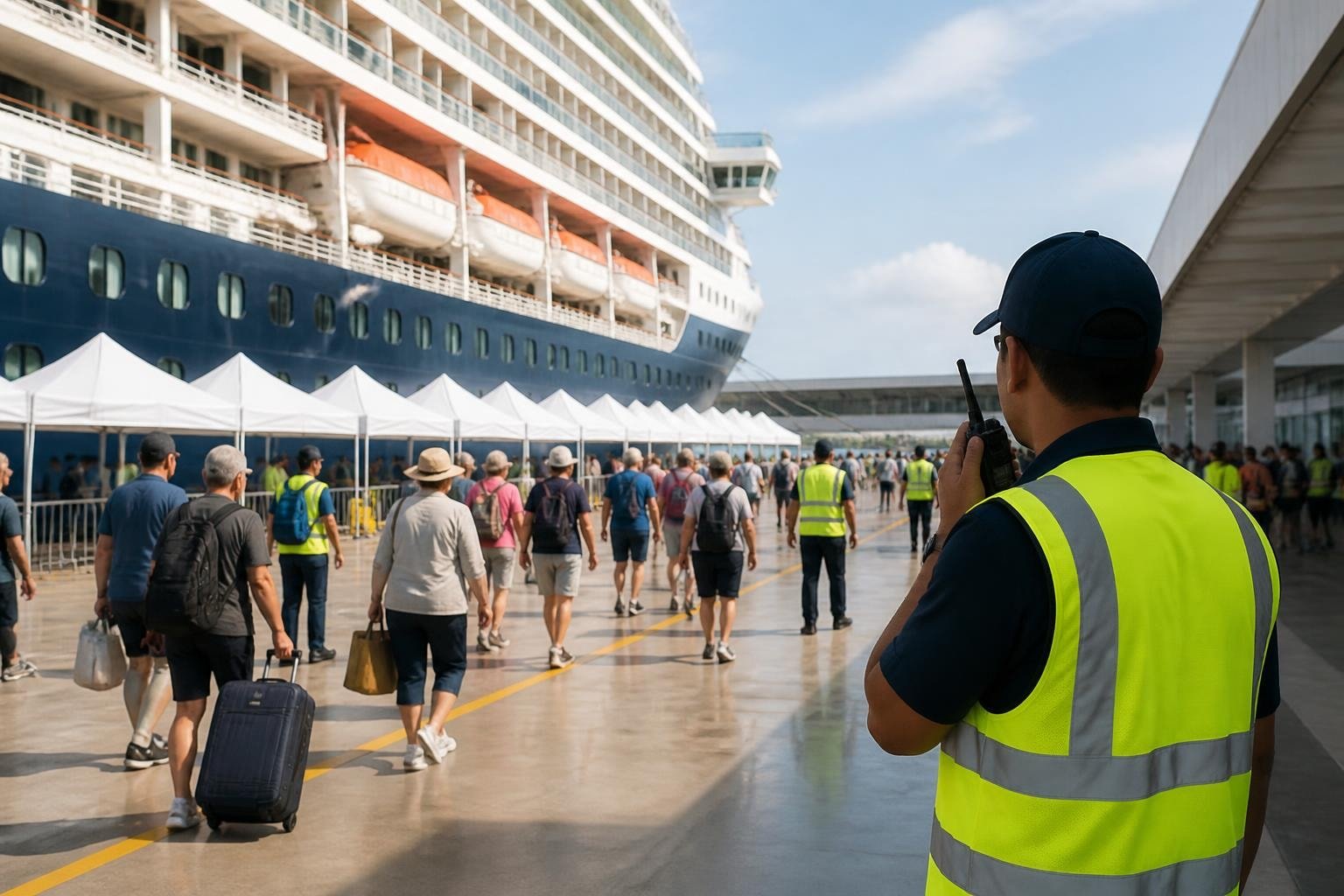
A cruise harbour serves as the gateway between your ship and the destination you're eager to explore. For many travellers arriving in 2026, understanding how these maritime hubs work makes the difference between a rushed, confusing experience and a smooth, enjoyable day ashore. Whether you're docking in Malta, the Caribbean, or the Mediterranean, knowing what to expect helps you make the most of your limited port time.
What Makes a Modern Cruise Harbour Function
Today's cruise harbour is far more than a simple dock. These facilities coordinate thousands of passengers, manage customs and immigration, arrange shore excursions, and keep everything running on tight schedules.
Infrastructure and Passenger Processing
The physical layout matters enormously. Modern terminals feature:
- Dedicated gangway areas for efficient boarding and disembarkation
- Immigration and customs facilities designed for high-volume processing
- Waiting areas with seating, shops, and information desks
- Ground transportation hubs connecting taxis, buses, and tour operators
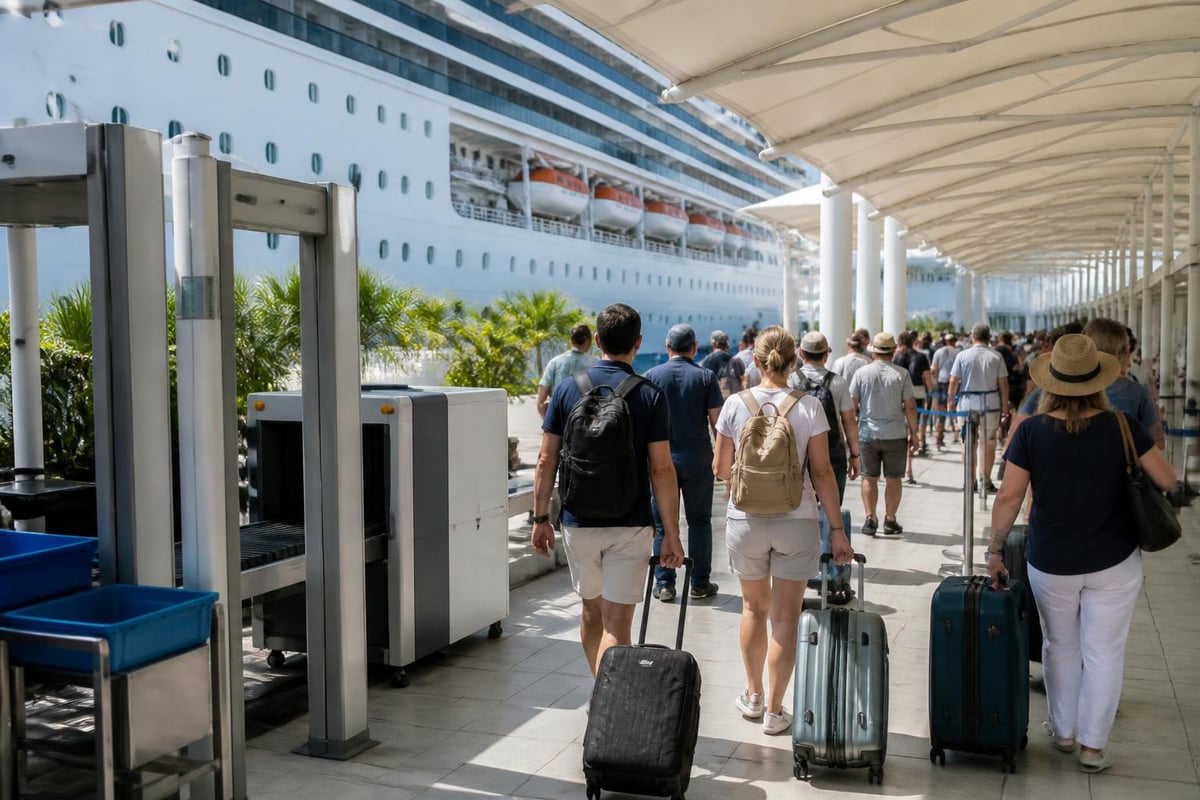
- Security screening for returning passengers
Large cruise ports like Port Canaveral handle multiple ships simultaneously, requiring sophisticated coordination. Smaller harbours like Marsaxlokk in Malta offer a more intimate arrival experience, where you step off the tender boat directly into a traditional fishing village.
Operational Coordination Behind the Scenes
What you don't see matters just as much. Wilhelmsen Port Services highlights how ship agency work coordinates everything from pilot boats to waste disposal. The cruise harbour operations team manages berth assignments, supplies, and emergency services around the clock.
Port authorities work months ahead to schedule arrivals, especially when multiple vessels share limited dock space. This planning becomes critical during peak Mediterranean season, when popular destinations see back-to-back arrivals throughout summer 2026.
Getting the Most from Your Port Day
Your time at any cruise harbour is limited. Smart planning transforms a hectic scramble into a memorable experience.
Before You Disembark
Check these essentials the night before:
- All-aboard time (usually 30-60 minutes before departure)
- Tender versus dock arrival (tenders add 15-30 minutes each way)
- Local currency needs (many harbours still prefer cash)
- Shore excursion meeting points if you've booked tours
- Ship's identification requirements for re-boarding
The cruise harbour location relative to town matters hugely. Some ports drop you in the city centre. Others require shuttle buses or taxis to reach main attractions.
| Port Type | Transit Time | Best For |
|---|---|---|
| City Centre | 5-10 minutes walk | Independent exploration |
| Suburban Port | 15-30 minutes bus/taxi | Organized tours |
| Tender Port | 20-40 minutes total | Smaller groups, flexibility |
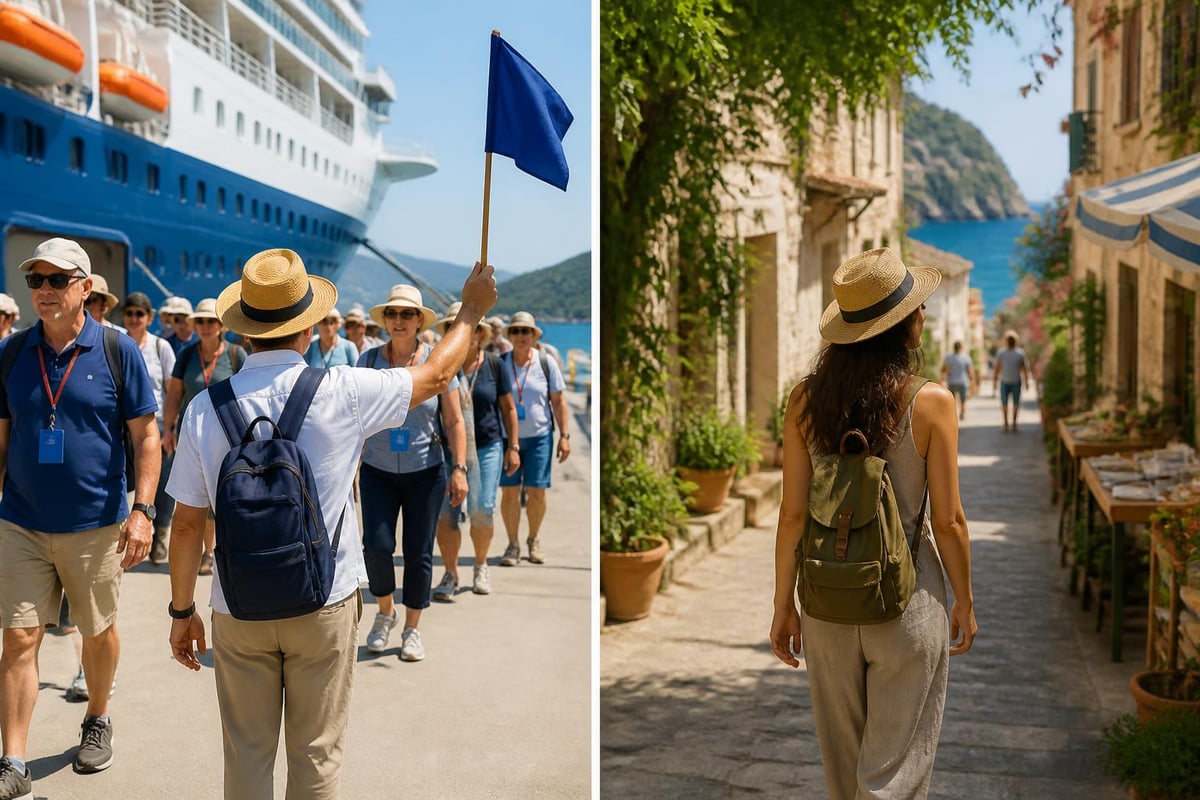
Independent Exploration versus Tours
Cruise lines push their shore excursions hard, but independent exploration often delivers better value and more authentic experiences. The key is understanding what your cruise harbour location offers.
In Malta, for example, passengers arriving in Valletta can easily walk to historic sites. But those interested in the island's southern coast find better experiences booking directly with local operators. A traditional boat trip from Marsaxlokk offers a completely different perspective than the standard bus tour, with smaller groups and genuine local knowledge.
Research your port thoroughly. Read recent visitor reviews, check maps for walking distances, and understand which attractions actually fit your timeframe. A two-hour museum visit isn't realistic if you need 90 minutes for transportation.
The Evolution of Cruise Port Infrastructure
The cruise industry continues growing, pushing harbours to adapt. Future cruise port operations face challenges from larger ships, environmental concerns, and passenger expectations.
Accommodating Mega-Ships
The world’s largest cruise terminal in Miami now handles 36,000 passengers daily. This scale requires automated systems, expanded customs facilities, and coordinated ground transport on an unprecedented level.
Smaller cruise harbour destinations face different pressures. They can't accommodate the largest vessels but offer unique experiences mega-ships can't replicate. This creates opportunities for authentic cultural encounters rather than crowded tourist processing.
Sustainability and Community Impact
Modern cruise harbour planning balances tourism revenue with community needs. Residents in popular ports like Venice and Dubrovnik have pushed back against overcrowding, leading to passenger caps and time restrictions.
Environmental considerations now shape port development:
- Shore power connections reducing ship emissions while docked
- Waste management systems handling thousands of passengers
- Water treatment facilities meeting stricter regulations
- Traffic management reducing congestion in historic areas
The infrastructure challenges require significant investment, but ports that adapt successfully protect both tourism income and local quality of life.
Making Smart Choices at the Cruise Harbour
Your decisions in those first 30 minutes ashore set the tone for your entire port day. Here's what experienced travellers do differently.
Currency and Communication
- ATMs at the cruise harbour typically offer poor exchange rates. Use them only for essential cash.
- WiFi is often weak or expensive at terminals. Download maps and information before arrival.
- SIM cards or international plans beat the ship's internet charges if you're doing independent exploration.
Transportation Strategy
Don't just grab the first taxi you see. Most cruise harbours have official taxi stands with regulated pricing, but rates still vary significantly. Many destinations offer hop-on-hop-off buses that depart near the terminal, giving you flexibility without the full cost of private transport.
For unique coastal experiences around Malta, the southern villages offer something completely different from Valletta's cruise harbour crowds. You can explore hidden swimming spots and traditional fishing culture away from the typical tourist circuit.
Time Management Reality
Build in buffer time. Assume everything takes 20% longer than expected. If all-aboard is 4:00 PM, plan to be back at the cruise harbour by 3:15 PM. Missing your ship isn't just inconvenient; it's expensive and stressful.
Watch for these common time traps:
- Restaurant service that's slower than you're used to
- Traffic returning to port during late afternoon
- Security lines when multiple ships depart simultaneously
- Getting lost in unfamiliar streets without reliable maps
Understanding Terminal Services and Amenities
The cruise harbour experience varies dramatically by location, but certain services have become standard across the industry.
What's Typically Available
| Service | Small Ports | Large Ports | Notes |
|---|---|---|---|
| Baggage Storage | Sometimes | Usually | Often charged per bag |
| Tourist Information | Basic | Comprehensive | Quality varies significantly |
| Currency Exchange | Limited | Multiple options | Rates generally poor |
| Restrooms | Yes | Yes | Free at terminal |
| Shops and Cafes | Few | Many | Prices above local rates |
Terminal operators compete to offer comprehensive services, but smart travellers know that venturing beyond the terminal almost always provides better value and more authentic experiences.
Security and Re-boarding
Security protocols have tightened since 2020. Expect bag screening similar to airports when returning to your ship. Prohibited items include fresh produce, certain foods, and sometimes alcohol purchased ashore (policies vary by cruise line).
Your boarding pass and photo ID are essential. Some passengers keep these in waterproof pouches, especially important if you're planning beach or water activities during your port day.
Regional Variations Worth Knowing
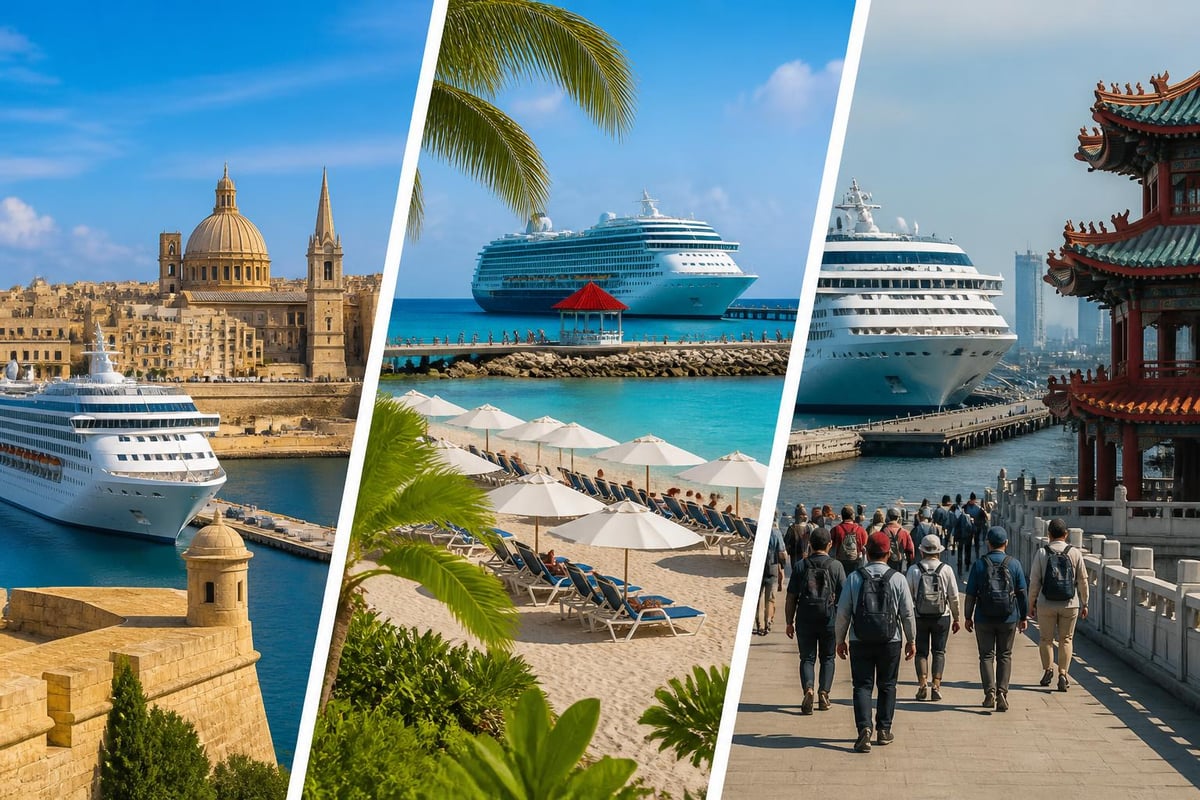
Mediterranean cruise harbour experiences differ significantly from Caribbean or Asian ports. Understanding these regional characteristics helps set realistic expectations.
Mediterranean ports often feature historic architecture, walkable town centres, and cultural attractions close to the dock. However, summer crowds can be intense at popular stops.
Caribbean harbours typically prioritize beach access and water sports. Infrastructure varies from ultra-modern terminals to basic facilities where you tender ashore to simple docks.
Asian ports may involve longer distances between the cruise harbour and main attractions. Language barriers and unfamiliar transportation systems make organized tours more appealing for first-time visitors.
Malta occupies a sweet spot, combining Mediterranean history with manageable crowds, especially in less-visited areas. The island's compact size means you can genuinely experience local culture rather than just photographing landmarks from a bus window.
Local Integration and Authentic Experiences
The best port days happen when you connect with the destination rather than just consuming it. This means looking beyond the cruise harbour's immediate surroundings.
Ask yourself what interests you genuinely. Art museums? Local food markets? Natural scenery? Historic sites? Spending three focused hours on what you actually enjoy beats a rushed seven-hour tour hitting every checkbox.
Seek local operators who live in the community. They know hidden gems, current conditions, and can adapt to your interests. A family-run boat operation offers completely different insights than a corporate tour bus, with stories and knowledge that come from generations of experience.
The cruise harbour is just your starting point. The real destination lies beyond the terminal gates, waiting for travellers willing to venture past the obvious tourist infrastructure into genuine local experiences.
Understanding how cruise harbours work helps you navigate port days with confidence rather than confusion. From terminal logistics to time management, these insights prepare you for smoother, more rewarding experiences in 2026. When you visit Malta, Rima Cruises offers authentic boat trips along the southern coast with local knowledge and personalized service that larger operators simply can't match.