
The warm Mediterranean waters surrounding Malta have shaped the island's identity for thousands of years. At the heart of this maritime heritage is the maltese boat, a vessel that's far more than just a means of transportation. These brightly colored fishing boats with their distinctive eyes painted on the bow represent centuries of seafaring tradition, skilled craftsmanship, and cultural pride. Whether you're walking along Marsaxlokk's bustling fishing harbor or planning your own coastal adventure, understanding these traditional vessels adds depth to any Maltese experience.
What Makes a Traditional Maltese Boat Special
Traditional maltese boat designs evolved over centuries to meet the specific needs of fishermen working around the Maltese archipelago. Each vessel type serves a distinct purpose, from open-water fishing to harbor transport.
The most iconic is the luzzu, instantly recognizable by its bright colors-usually combinations of red, blue, green, and yellow. These fishing boats feature high prows and sterns, designed to handle Mediterranean swells while providing stability for hauling nets. The luzzu and kajjik heritage showcases how these boats evolved from Phoenician designs brought to Malta over 3,000 years ago.
The Eye of Osiris: Protection at Sea
Perhaps the most striking feature of any maltese boat is the pair of eyes painted on either side of the bow. Known as the Eye of Osiris or Eye of Horus, these symbols date back to ancient Egyptian and Phoenician maritime traditions.
Why the eyes matter:
- Believed to ward off evil spirits and bad luck
- Help the boat "see" its way through treacherous waters
- Connect modern Maltese fishing culture to ancient Mediterranean civilizations
- Make each vessel instantly identifiable from a distance
According to research on traditional Maltese fishing boats, the Eye of Horus symbolizes protection, royal power, and good health. Fishermen still paint these eyes with care, maintaining a tradition that's remained virtually unchanged for millennia.
Types of Traditional Maltese Boats You'll See in 2026
Malta's harbors showcase several distinct boat types, each with unique characteristics and purposes. Understanding these differences enriches your appreciation of maritime culture.
| Boat Type | Primary Use | Key Features | Where to See Them |
|---|---|---|---|
| Luzzu | Fishing | Large, colorful, double-ended, Eye of Osiris | Marsaxlokk, Marsascala |
| Kajjik | Small-scale fishing | Smaller than luzzu, similar design | Most fishing villages |
| Dgħajsa | Water taxi, harbor transport | Long, narrow, gondola-like | Valletta's Grand Harbour |
| Frejgatina | Transport, fishing | Medium-sized, broader beam | Various harbors |
The Luzzu: Malta's Fishing Icon
The luzzu remains the most photographed maltese boat in 2026. These working vessels measure between 20 to 30 feet in length, constructed from wood with a flat bottom that allows beaching and launching from shallow shores.
Their distinctive high bow cuts through waves while the broad beam provides stability when hauling fishing nets. Many luzzus still operate as working fishing boats, though an increasing number now serve tourism purposes.
Marsaxlokk harbor hosts Malta's largest concentration of luzzus, creating one of the Mediterranean's most colorful maritime scenes. Sunday mornings bring the famous fish market, where freshly caught fish are sold directly from these traditional boats.
The Dgħajsa: Water Taxi Tradition
The dgħajsa represents a different branch of maltese boat evolution. These gondola-style vessels historically ferried passengers across Valletta's Grand Harbour, serving as water taxis before motor transport dominated.
Dgħajsa characteristics:
- Narrow profile optimized for rowing
- Ornate decorative elements
- Covered passenger area for sun protection
- Still operated for harbor tours
The dgħajsa tal-pass once formed an essential part of daily life, connecting the Three Cities with Valletta when bridges didn't exist. Today, these boats offer nostalgic harbor tours that let visitors experience Malta's maritime past firsthand.
The Frejgatina: Versatile Workhorse
Less famous than the luzzu but equally important, the frejgatina served multiple purposes throughout Maltese history. These medium-sized boats transported cargo, passengers, and fishing gear across longer distances.
Built with a broader beam than the luzzu, fregatinas offered more deck space and storage capacity. While fewer operate today, you can still spot these traditional vessels in harbors around Gozo and Malta's northern coast.
Construction Techniques and Materials
Building a traditional maltese boat requires specialized skills passed down through generations. In 2026, only a handful of master craftsmen maintain these techniques.
Traditional construction uses pitch pine planking over oak frames, with each plank carefully shaped to create the boat's distinctive curves. Builders work without detailed blueprints, relying instead on knowledge gained through apprenticeship and experience.
The process unfolds in distinct stages:
- Keel laying establishes the boat's foundation
- Frame construction shapes the vessel's skeleton
- Planking builds the hull from keel to gunwale
- Caulking seals gaps between planks with cotton and marine paint
- Painting applies the vibrant colors and protective eyes
- Finishing adds seats, storage, and equipment mounts
Modern boatbuilders sometimes incorporate fiberglass reinforcement and marine plywood, balancing tradition with durability. However, purists argue that authentic maltese boat construction should maintain entirely traditional methods.
The Significance of Colors on Maltese Boats
Every maltese boat tells a story through its color scheme. While modern boats may choose colors for aesthetic appeal, traditional palettes carry deeper meaning.
Traditional color symbolism:
- Blue represents the sea and sky, invoking protection
- Red symbolizes strength and courage
- Green connects to hope and good fortune
- Yellow brings light and optimism
According to lesser-known facts about traditional Maltese boats, fishermen historically chose colors based on family traditions and superstitions. Each fishing family maintained distinct color combinations, making their boats recognizable from shore.
The bright pigments also served practical purposes, making boats visible during foggy conditions or rough seas. In 2026, this vibrant aesthetic attracts photographers and tourists, turning working vessels into cultural ambassadors.
Experiencing Maltese Boats as a Visitor
Modern tourism has breathed new life into traditional maltese boat culture. Rather than disappearing into museums, these vessels actively serve visitors exploring Malta's stunning coastline.
Boat Tours on Traditional Vessels
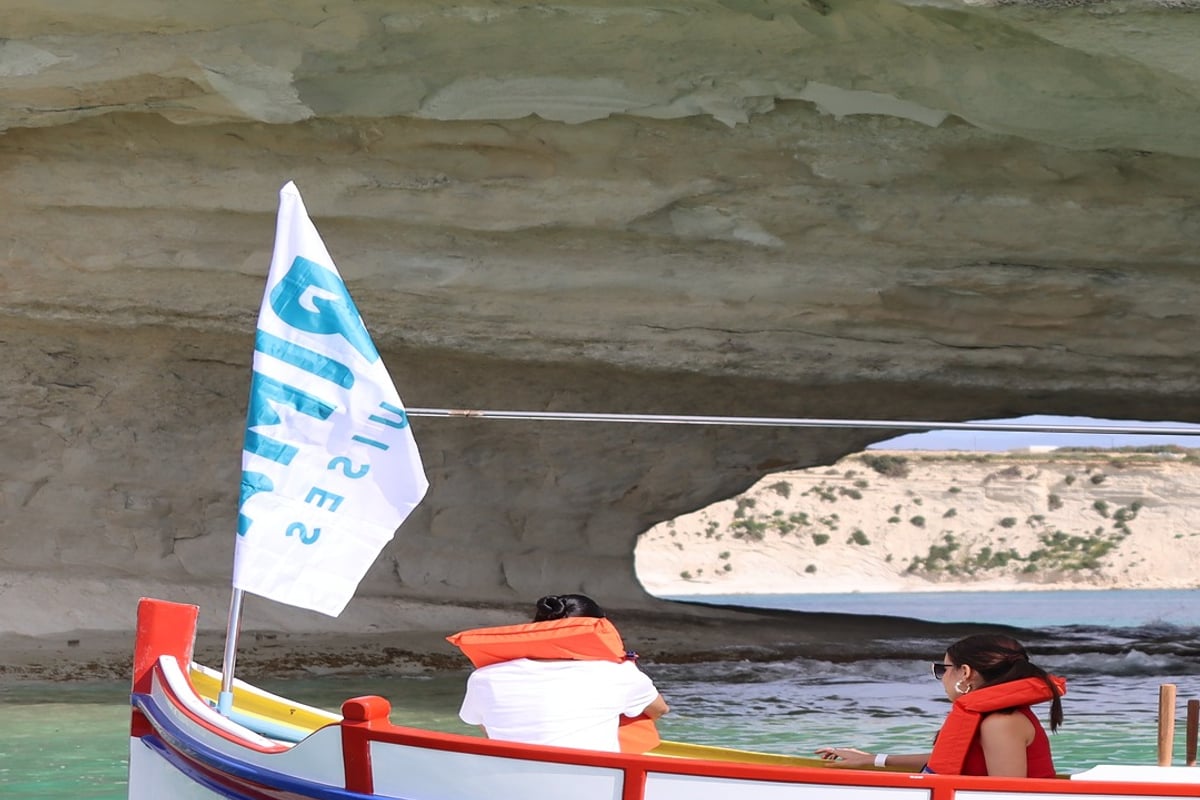
Several operators now offer coastal tours aboard authentic luzzus and similar traditional craft. These experiences combine cultural education with practical sightseeing, letting visitors appreciate both the boats themselves and the waters they navigate.
When you step aboard a traditional maltese boat for a coastal tour, you're participating in a living tradition. The wooden hull beneath your feet, the painted eyes watching the horizon, and the knowledge of your local captain all connect you to generations of Maltese seafarers. Tours departing from Marsaxlokk offer particularly authentic experiences, as this fishing village has maintained its traditional character better than most coastal communities.
Photography Opportunities
The maltese boat provides endless photography possibilities. Marsaxlokk's Sunday fish market creates the most iconic shots, with dozens of colorful luzzus bobbing against the harbor backdrop.
Best photography locations and times:
| Location | Best Time | What to Capture |
|---|---|---|
| Marsaxlokk Harbor | Early morning, Sunday | Luzzus with fish market activity |
| Valletta Grand Harbour | Late afternoon | Dgħajsas with fortifications background |
| Marsascala Bay | Golden hour | Traditional boats at anchor |
| Delimara Lighthouse area | Midday | Boats against cliffs and clear water |
The combination of vibrant colors, reflective water, and Malta's limestone architecture creates naturally stunning compositions. Professional and amateur photographers alike find the maltese boat an irresistible subject.
Maritime Heritage and Cultural Preservation
Malta recognizes its traditional boats as crucial cultural heritage. Government agencies and private organizations work to preserve boatbuilding skills and maintain operational vessels.
The Malta Maritime Museum in Vittoriosa houses several restored traditional craft, documenting construction techniques and maritime history. Interactive displays show how different boat types evolved and adapted over centuries.
Challenges Facing Traditional Boatbuilding
Despite cultural importance, traditional maltese boat construction faces significant challenges in 2026:
- Declining master craftsmen as younger generations pursue other careers
- Cost competition from fiberglass and imported vessels
- Regulatory requirements that favor modern safety standards
- Changing fishing practices reducing demand for traditional designs
Conservation efforts focus on apprenticeship programs that pair young builders with experienced masters, ensuring knowledge transfer. Some programs receive European Union cultural heritage funding, recognizing these boats' broader Mediterranean significance.
Maltese Boats in Modern Maritime Culture
While maintaining tradition, the maltese boat has adapted to contemporary needs. Many working luzzus now include modern equipment like GPS, fish finders, and outboard motors alongside traditional design elements.
This hybrid approach preserves cultural identity while meeting practical requirements. A luzzu might feature a classic wooden hull and painted eyes yet include modern safety equipment and electronic navigation aids.
Special Events and Regattas
Malta's maritime calendar includes several events celebrating traditional boats. The annual regatta season features races between different classes of traditional craft, showcasing both preserved historical vessels and newly built examples.
Major maritime events in 2026:
- Traditional Boat Regatta (May and September): Racing competition across multiple classes
- Festa Seasons: Village feasts often include harbor-based celebrations with decorated boats
- Maritime Museum Open Days: Hands-on demonstrations of traditional boatbuilding techniques
These gatherings strengthen community connections to maritime heritage while introducing younger Maltesers to their seafaring traditions. Visitors attending these events gain authentic insights into local culture beyond typical tourist experiences.
Practical Tips for Booking a Traditional Boat Experience
When planning your own maltese boat adventure, several factors ensure the best experience. Traditional vessels offer different advantages than modern tour boats, from intimate group sizes to authentic cultural connections.
Choose operators based in traditional fishing villages like Marsaxlokk, where boats maintain working authenticity rather than tourist-only service. Family-run operations typically provide more personalized attention and deeper local knowledge.
What to Expect Aboard
Traditional maltese boat tours differ from large commercial vessels in important ways:
- Smaller capacity means more intimate experiences (typically 8-12 passengers)
- Wood construction creates gentle motion through waves
- Shade canopies protect from Mediterranean sun without enclosed cabins
- Lower freeboards offer closer water contact for swimming stops
- Local skippers share fishing village stories and coastal knowledge
The boat tour services available in Marsaxlokk showcase how traditional vessels can provide comfortable, safe exploration of Malta's southern coastline while maintaining authentic character.
Seasonal Considerations
Malta's climate makes traditional maltese boat trips viable nearly year-round, though each season offers distinct advantages:
| Season | Conditions | Best For |
|---|---|---|
| Spring (March-May) | Mild temperatures, calm seas | Photography, wildlife watching |
| Summer (June-August) | Hot, clear, predictable weather | Swimming, full-day tours |
| Autumn (September-November) | Warm water, fewer crowds | Relaxed exploration |
| Winter (December-February) | Cooler, occasional rough seas | Authentic fishing village atmosphere |
Summer brings peak tourism but also guaranteed sunshine and warm swimming conditions. Spring and autumn offer pleasant weather with more authentic fishing village atmospheres, as boats balance tourism with traditional fishing activities.
The Future of Traditional Maltese Boats
Looking ahead, the maltese boat faces both opportunities and challenges. Tourism provides economic incentive for maintaining traditional vessels, yet this same tourism can push boats toward entertainment rather than cultural preservation.
Successful preservation balances commercial viability with authentic heritage. Operators who use traditional boats for coastal tours while maintaining fishing activities create sustainable models that benefit both tourism and cultural continuity.
Educational initiatives help younger Maltese appreciate their maritime heritage. Schools incorporate boatbuilding history into curricula, while youth programs offer hands-on experiences with traditional craft.
The growing interest in sustainable, authentic tourism favors traditional maltese boat experiences over impersonal commercial alternatives. Visitors increasingly seek genuine cultural connections rather than mass-market entertainment, creating favorable conditions for heritage preservation.
Traditional maltese boats represent living connections to Mediterranean maritime history, combining practical function with cultural significance. Whether admiring colorful luzzus in Marsaxlokk harbor or experiencing Malta's coastline from a traditional vessel, these boats offer authentic insights into island life. Rima Cruises operates genuine traditional boat tours from Marsaxlokk, providing personalized coastal exploration aboard authentic fishing vessels with local family knowledge passed through generations. Book your traditional maltese boat experience and discover Malta's southern coastline the way locals have for centuries.