
City cruises have become one of the most popular ways to experience coastal destinations, offering tourists a unique vantage point of harbors, historic landmarks, and scenic shorelines. Unlike traditional land-based sightseeing, these boat-based experiences let you see cities and coastal villages from the water, combining relaxation with cultural discovery. Whether you're exploring Mediterranean fishing villages or watching the sunset over ancient fortifications, the right cruise can transform an ordinary vacation into something truly memorable.
Understanding What City Cruises Really Offer
City cruises come in many forms, from large commercial operations in major ports to intimate, family-run boat tours in smaller coastal communities. The best experiences share common elements: knowledgeable local guides, comfortable vessels, and routes that showcase both famous landmarks and hidden gems along the shoreline.
Traditional boat tours often provide the most authentic connection to a destination. In Malta, for example, city cruises aboard traditional luzzus offer a glimpse into maritime heritage that larger vessels simply can't match. These colorful fishing boats have been part of Mediterranean culture for centuries, and sailing on one connects you directly to local traditions.
What Sets Quality Cruises Apart
Not all coastal boat trips are created equal. The difference between a forgettable tourist trap and an unforgettable experience often comes down to a few key factors:
- Small group sizes that allow for personalized attention and flexibility
- Local expertise from skippers who know every bay, cave, and historic site
- Authentic vessels that reflect regional maritime culture
- Flexible itineraries that adapt to weather and passenger interests
- Swimming opportunities at natural pools and secluded bays
According to research on city attractiveness for tourists, visitors increasingly value authentic local experiences over generic sightseeing. This trend has shaped how modern city cruises operate, with successful operators focusing on cultural storytelling and intimate group experiences rather than mass tourism approaches.
Choosing Between Different Types of Coastal Tours
The variety of city cruises available can feel overwhelming at first. Understanding the main categories helps you select the experience that matches your travel style and interests.
| Cruise Type | Duration | Best For | Typical Features |
|---|---|---|---|
| Sightseeing Tours | 1-2 hours | First-time visitors | Landmark commentary, photo opportunities |
| Sunset Cruises | 1.5-2 hours | Romantic outings | Evening light, relaxed atmosphere |
| Swimming Tours | 2-4 hours | Active travelers | Multiple stops, snorkeling gear |
| Private Charters | 2-6 hours | Special occasions | Custom routes, onboard dining |
Short sightseeing tours work well for travelers with limited time who want an overview of the coastline. These typically last one to two hours and focus on major landmarks visible from the water. You'll pass fortifications, lighthouses, historic harbors, and natural formations while the guide explains their significance.
Longer tours that include swimming stops offer a completely different experience. Instead of just observing the coastline, you're actively engaging with it. The best operators know exactly which bays offer the clearest water, the most dramatic cliff formations, and the best snorkeling opportunities.
The Appeal of Traditional Fishing Boats
Modern city cruises on traditional vessels provide something that sleek commercial boats cannot replicate: a direct connection to maritime heritage. These working boats have been adapted for tourism while maintaining their authentic character and functionality.
In Marsaxlokk, Malta's most famous fishing village, family-run operations use genuine luzzus for coastal tours. These boats feature the iconic eye of Osiris painted on the bow, believed to protect fishermen at sea. The wooden hulls, painted in bright yellows, reds, and blues, have remained largely unchanged for generations.
Sailing on a traditional vessel means experiencing the sea the way locals have for centuries. You'll feel the gentle rock of waves against the wooden hull, enjoy the shade of canvas sunshades, and appreciate the craftsmanship that goes into maintaining these historic boats. It's cultural immersion and coastal sightseeing combined into one experience.
Planning Your City Cruise Experience
Successful trip planning starts with understanding what you want from the experience. Some travelers prioritize photography opportunities, while others value swimming time or historical commentary. Defining your priorities helps you choose the right tour and timing.
Morning departures offer calmer seas and clearer light for photography. The Mediterranean sun illuminates coastal cliffs beautifully in the early hours, and you'll often have swimming spots nearly to yourself. Water visibility tends to be excellent for snorkeling before midday.
Afternoon trips work well if you're sleeping in after late nights or want to avoid early starts on vacation. The sun's position creates different lighting on cliffs and fortifications, and the water is typically warmer for swimming. However, some bays get more crowded in the afternoon.
Evening and sunset cruises provide the most atmospheric experiences, with golden light transforming familiar coastlines into something magical. The red skies of Mediterranean sunsets create unforgettable backdrops for photos, and evening temperatures make for comfortable sailing. These trips typically focus more on ambiance than active swimming.
What to Bring on Your Coastal Boat Trip
Proper preparation ensures you're comfortable throughout your city cruise. Essential items include:
- Sun protection: High SPF sunscreen, sunglasses, and a hat
- Swimming gear: Towel, swimsuit, and water shoes for rocky entries
- Camera: Waterproof case or dry bag for electronics
- Light layers: Even in summer, sea breezes can feel cool
- Reusable water bottle: Stay hydrated during longer tours
Most reputable operators provide safety equipment, snorkeling gear if needed, and shaded areas on the boat. Check what's included when booking to avoid unnecessary duplicates in your bag.
The Malta Experience: Southern Coastal Highlights
Malta's southern coastline offers some of the Mediterranean's most dramatic scenery, with limestone cliffs plunging into impossibly blue water. City cruises from Marsaxlokk showcase this natural beauty while connecting passengers to centuries of maritime history.
The route typically includes San Lucjan Castle, a 17th-century fortification built by the Knights of St. John to defend against Ottoman raids. From the water, you appreciate its strategic position overlooking the harbor entrance. The honey-colored limestone glows in Mediterranean sunlight, creating perfect photo opportunities.
Fort Delimara and the distinctive Delimara Lighthouse mark the peninsula's southeastern tip. The fort's British-era architecture contrasts with Malta's older fortifications, while the lighthouse has guided sailors since 1855. These landmarks tell Malta's complex history through periods of Knights, French occupation, and British rule.
Natural wonders punctuate the historical sites. Ancient salt pans carved into coastal rock still harvest sea salt using traditional methods dating back to Roman times. Dramatic cliffs showcase the geological forces that shaped the Maltese islands, with layers of limestone and clay visible in cross-section.
Hidden Bays and Swimming Spots
The real treasures of southern Malta reveal themselves in secluded bays accessible primarily by boat. Kalanka Bay offers calm, clear water perfect for snorkeling, surrounded by towering cliffs that provide natural shelter from winds. The rock formations here create interesting underwater topography for exploring.
St. Peter's Pool has become iconic for good reason. This natural swimming pool, carved by millennia of wave action into the rocky coast, features deep, crystal-clear water and flat rock platforms for sunbathing. The vivid blue-green water contrasts beautifully with white limestone surroundings. While it can be reached on foot via a challenging hike, arriving by boat means you'll enjoy it in relative peace before land-based visitors arrive.
Hofriet Bay and its accompanying cave system offer another dimension to coastal exploration. The caves, sculpted by persistent waves, create dramatic light effects as sunlight filters through openings in the rock. The bay itself provides excellent swimming in sheltered conditions.
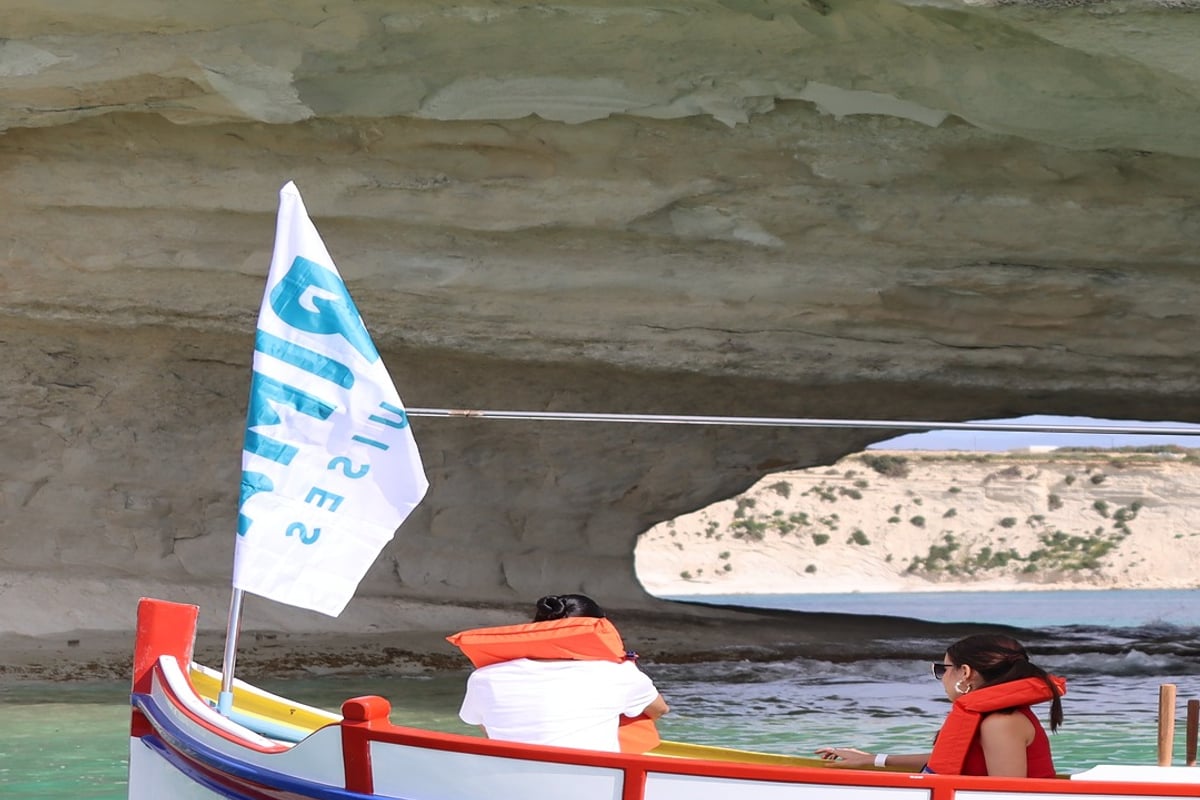
For those wanting to explore these highlights aboard a traditional Maltese boat, the Three-bays Tour covers St. Peter's Pool, multiple scenic bays, and the Hofriet Cave with local skipper commentary. This intimate small-group experience captures the authentic character of Maltese coastal exploration.
Industry Trends Shaping Modern City Cruises
The city cruise sector has evolved significantly in recent years, responding to changing traveler preferences and operational challenges. Industry analysts note that despite various concerns, the cruise sector continues growing as tourists seek water-based experiences.
Sustainability has become a central concern for responsible operators. Research on sustainable city trip recommendations suggests that travelers increasingly consider environmental impact when choosing tours. Smaller, locally-run operations often have lighter environmental footprints compared to large commercial vessels, using traditional boats adapted for tourism rather than purpose-built ships.
The shift toward experiential tourism favors intimate, culturally authentic cruises over mass-market alternatives. Modern travelers want stories, not just sights. They value learning about local fishing traditions, understanding coastal ecology, and connecting with communities. This trend benefits family-run operations that can offer genuine local perspectives.
Entertainment and Specialized Experiences
Larger operators have introduced themed cruises to differentiate their offerings. City Cruises recently launched live event series featuring entertainment acts, demonstrating how the sector adapts to diverse passenger interests. However, many travelers prefer simpler experiences focused on natural beauty and local culture.
Private charters have grown in popularity, offering customized experiences for couples, families, and small groups. These trips provide flexibility impossible on scheduled tours, allowing passengers to determine timing, route emphasis, and activity duration. Whether celebrating special occasions or simply wanting undivided skipper attention, private options serve travelers seeking personalized experiences.
Operational Realities and Market Changes
The city cruise industry faces ongoing challenges that affect availability and pricing. Market consolidation and strategic repositioning mean some established routes may end, as operators shift resources to more profitable markets. These changes highlight the importance of supporting small, local operators who maintain consistent service in their home communities.
Seasonal variations significantly impact cruise operations in Mediterranean destinations. Peak summer months offer the most departures and best weather, but also the highest prices and largest crowds. Shoulder seasons (May-June and September-October) provide excellent alternatives with comfortable temperatures, fewer tourists, and often discounted rates.
| Season | Advantages | Considerations |
|---|---|---|
| Summer (July-August) | Warmest water, longest days | Highest prices, most crowded |
| Spring (April-June) | Pleasant temperatures, good value | Water still cool early spring |
| Autumn (September-October) | Warm sea, fewer crowds | Shorter days by October |
| Winter (November-March) | Lowest prices, authentic atmosphere | Rough seas, many operators closed |
Weather conditions always remain a factor in coastal cruising. Responsible operators prioritize safety over revenue, canceling or modifying trips when conditions warrant. The Mediterranean’s environmental patterns mean wind and wave conditions can change quickly, requiring flexible planning.
Making the Most of Your Coastal Cruise
Once you've selected and booked your city cruise, several strategies help maximize enjoyment. Arriving early ensures you're not rushed and have first choice of seating positions. Most boats offer both sunny and shaded areas, so consider your preference and the day's temperature when selecting your spot.
Engaging with your skipper enhances the experience significantly. Local operators possess decades of coastal knowledge, from identifying marine life to explaining historical events connected to visible landmarks. Don't hesitate to ask questions about anything that interests you, whether it's boat construction, fishing traditions, or the best local restaurants.
Photography tips for city cruises include:
- Keep cameras secure in waterproof bags when not actively shooting
- Shoot from shaded positions to avoid harsh glare in photos
- Use faster shutter speeds to compensate for boat movement
- Capture both wide scenic shots and detail images of boat features
- Ask the skipper about optimal positions for specific landmarks
Swimming safety requires attention even in calm Mediterranean waters. Listen carefully to the skipper's briefing about entry and exit points from the boat. Wear water shoes when entering over rocks, and stay aware of your position relative to the boat and other swimmers. Never swim alone if you're not a confident swimmer.
Booking Tips and Practical Considerations
Advance booking becomes essential during peak season when popular tours sell out days ahead. However, smaller operators often accommodate last-minute bookings outside July and August. Direct booking through operator websites typically offers better prices than third-party platforms and ensures your payment supports the local business directly.
Group size significantly impacts experience quality. Tours limited to 8-12 passengers feel intimate and allow genuine interaction with guides. Larger groups mean less individual attention and more time managing logistics. When comparing options, consider whether you value the lower per-person cost of large group tours or prefer the personalized service of smaller vessels.
Read recent reviews carefully, focusing on comments about guide knowledge, boat condition, and operator flexibility. Temporary issues like equipment problems should be weighted differently than consistent concerns about punctuality or safety. Reviews from travelers with similar interests to yours provide the most useful insights.
Price Considerations and Value Assessment
City cruise pricing varies enormously based on duration, inclusions, vessel type, and operator scale. Budget tours might cost €15-25 per person for basic sightseeing, while premium private charters can exceed €500 for a half-day. Understanding what's included helps you assess true value.
Consider these factors when comparing prices:
- Duration: Longer trips naturally cost more but offer better value per hour
- Inclusions: Swimming stops, snorkeling gear, refreshments, and lunch add value
- Vessel authenticity: Traditional boats cost more to maintain than modern replicas
- Group size: Smaller groups justify higher per-person rates
- Flexibility: Private options commanding premiums offer route customization
The cheapest option rarely provides the best experience. Value comes from the combination of fair pricing, quality execution, and memorable moments that last long after vacation ends.
Cultural Context: Why Water-Based Tourism Matters
Understanding the cultural significance of maritime traditions enriches any city cruise experience. In Malta and similar Mediterranean communities, the sea has shaped everything from cuisine to architecture to daily rhythms of life for thousands of years.
Fishing heritage remains central to coastal village identity despite modern economic changes. The luzzus you see in Marsaxlokk harbor aren't just tourist attractions but working boats that still support local families. When you book tours with operators who maintain these traditions, you're helping preserve cultural practices that might otherwise disappear under tourism pressure.
The environmental footprint of urban tourism requires consideration from responsible travelers. Choosing smaller-scale, locally-run cruises typically results in lower environmental impact compared to large commercial operations. Traditional wooden boats, when properly maintained, can operate for generations without the resource intensity of modern vessel production.
Regional Variations in City Cruise Offerings
While this article focuses on Mediterranean experiences, city cruises worldwide share common elements while reflecting regional characteristics. Northern European cruises emphasize architectural heritage and canal systems. Asian city cruises often incorporate floating markets and river commerce. Caribbean options highlight marine ecosystems and colonial history.
What makes Mediterranean city cruises distinctive includes:
- Ancient history visible in every fortification and harbor
- Limestone geology creating dramatic cliffs and natural swimming pools
- Traditional boat designs preserved and still functional
- Crystal-clear water ideal for swimming and snorkeling
- Mild climate allowing year-round operations in many locations
These regional characteristics mean a coastal cruise in Malta offers completely different experiences compared to similar-duration trips in Stockholm, Singapore, or San Juan. The best approach recognizes and celebrates these differences rather than expecting standardized experiences.
Family-Run Operations and Authentic Experiences
The distinction between corporate cruise companies and family-run operations matters more than many travelers realize. Company information reveals how consolidation has created large operators managing dozens of vessels across multiple countries. While these companies offer consistency and sophisticated booking systems, they can lack the personal touch and local authenticity that define memorable experiences.
Family-run boat tour companies operate on completely different principles. Owners typically grew up on or near the water, learned boating from parents or grandparents, and maintain deep connections to their communities. This generational knowledge translates into insights no corporate training program can replicate.
When you book with a family operation, you're often speaking directly with the person who'll captain your boat or their immediate family member. This creates accountability and genuine care for your experience that's impossible to match in corporate structures. If something goes wrong, these operators feel personally responsible and work hard to make things right.
The services offered by local operators reflect this personal approach, with customizable options that adapt to passenger interests and conditions rather than rigid, standardized itineraries that must be followed regardless of circumstances.
Safety Standards and What to Expect
Reputable city cruise operators maintain strict safety standards regardless of boat size or company structure. Before boarding any vessel, verify the presence of:
- Life jackets for every passenger, properly sized for children if applicable
- First aid kit easily accessible to crew
- Communication equipment for emergency contact
- Shade provision to prevent heat-related issues
- Safety briefing explaining emergency procedures and swimming protocols
Licensed operators carry appropriate insurance and maintain vessels according to maritime authority requirements. Don't hesitate to ask about safety certifications if you have concerns. Professional operators welcome these questions and answer them thoroughly.
Weather monitoring separates responsible operators from reckless ones. The Mediterranean can produce sudden wind shifts and wave increases even in summer. Good skippers check forecasts multiple times daily and won't hesitate to cancel or modify routes if conditions deteriorate. While disappointing, these decisions prioritize your safety over their revenue.
City cruises offer unmatched perspectives on coastal destinations, combining sightseeing, swimming, and cultural immersion into compact, memorable experiences. The best trips balance scenic beauty with authentic local connection, creating vacation highlights that photographs alone cannot capture. If you're visiting Malta's stunning southern coastline, Rima Cruises provides exactly this combination aboard traditional luzzus from Marsaxlokk, offering personalized tours that reveal hidden bays, historic landmarks, and the genuine character of Mediterranean maritime life.