
Valletta stands as one of the Mediterranean's most captivating cruise destinations, greeting thousands of visitors each year with golden limestone walls, baroque architecture, and centuries of history. When you step off your cruise ship in Malta's capital, you're entering a UNESCO World Heritage city that packs extraordinary experiences into less than one square kilometer. Whether you're arriving on a week-long Mediterranean voyage or a quick island-hopping adventure, cruises to Valletta Malta offer something truly special. This guide helps you make the most of your time ashore, from navigating the port to discovering authentic local experiences beyond the typical tourist trail.
Understanding Valletta's Cruise Port and Facilities
The port of Valletta handles cruise ships at several terminals depending on vessel size and schedule. Most ships dock at the Valletta Waterfront or the Deep Water Quay, both offering convenient access to the city.
Main docking locations include:
- Valletta Waterfront: closest to the city, ideal for walking
- Deep Water Quay: larger vessels, shuttle service available
- Marsamxett Harbour: occasional use for smaller ships
- Boiler Wharf: overflow facility during peak season
Walking from the cruise terminal to Valletta's Upper Barrakka Gardens takes roughly 15 minutes uphill. The climb might challenge some visitors, but the views reward every step. Alternatively, a glass elevator connects the waterfront to the city center for €1 per person.
Port Services and Amenities
Modern facilities at Valletta's cruise terminals make arrival smooth and comfortable. You'll find currency exchange, tourist information desks, free WiFi in designated areas, and clean restroom facilities. Several shops and cafes operate directly at the waterfront, though prices reflect their convenient location.
The Valletta cruise port provides clear signage in multiple languages. Port officials are generally helpful and speak excellent English, making navigation straightforward even for first-time visitors.
Getting Around Valletta During Your Cruise Stop
Transportation options from the cruise terminal suit different preferences and budgets. Most of Valletta itself is walkable, but exploring beyond the capital requires planning.
| Transport Option | Cost (Approx.) | Best For | Travel Time to City |
|---|---|---|---|
| Walking | Free | Fit travelers | 15-20 minutes |
| Glass Elevator | €1 | Quick access | 2 minutes + walk |
| Taxi | €10-15 | Convenience | 5-10 minutes |
| Hop-on Bus | €20 | Full-day touring | Varies by route |
| Public Bus | €2-3 | Budget travelers | 10-15 minutes |
Public buses run frequently from the terminal to various parts of Malta. Route 133 connects to many popular destinations. Purchase tickets from the driver or use the Tallinja card for slightly lower fares.
Taxis wait at the cruise terminal, but always confirm the fare before departing. Licensed taxis display rates clearly. Some drivers offer half-day or full-day tours at negotiated rates, which can work well for small groups wanting flexibility.
Exploring Beyond Valletta's Walls
Malta's compact size makes it possible to visit multiple locations during a cruise stop. The island measures just 27 kilometers long and 14 kilometers wide, meaning nowhere sits more than 30 minutes from Valletta by car.
Popular shore excursion destinations include Mdina (the silent city), the Blue Grotto, Marsaxlokk fishing village, and the Three Cities. Malta’s diverse attractions range from prehistoric temples to swimming spots, giving you plenty of choices based on your interests.
Top Experiences for Cruise Passengers in Valletta
Valletta rewards those who explore beyond the main shopping street. The city's authentic character reveals itself in quiet side streets, local cafes, and hidden gardens.
Historical and Cultural Highlights
St. John's Co-Cathedral stands as Valletta's architectural masterpiece. The plain exterior gives no hint of the baroque explosion inside, with Caravaggio's largest work hanging in the oratory. Entry costs €15 and includes an excellent audio guide. Arrive early if your ship docks at 8 AM, as crowds build quickly.
The Grand Master's Palace houses the Office of the President, but several rooms remain open to visitors. The armory collection impresses military history enthusiasts, displaying weapons and armor from the Knights of Malta era.
Must-visit museums and sites:
- Upper Barrakka Gardens (free, stunning harbor views)
- National Museum of Archaeology (€5, prehistoric Malta)
- Casa Rocca Piccola (€9, living noble residence)
- Fort St. Elmo and War Museum (€10, WWII history)
- Lower Barrakka Gardens (free, quieter than Upper)
Authentic Local Experiences
Republic Street and Merchant Street offer standard shopping, but venture into side alleys for authentic finds. Local artisans still craft filigree silver jewelry, handblown glass, and traditional lace in small workshops.
The practical guide for cruise passengers suggests timing your visit around the noon cannon firing at the Saluting Battery, a tradition dating back centuries. The thunderous boom echoes across Grand Harbour at precisely 12:00 PM daily.
Caffè Cordina on Republic Street has served locals since 1837. Their pastizzi (flaky pastries filled with ricotta or peas) make perfect quick snacks. For something more substantial, try rabbit stew or bragioli at a traditional Maltese restaurant.
Shore Excursions and Day Trips from Valletta
Cruise lines offer organized shore excursions, but independent exploration often provides better value and flexibility. Your time in port determines what you can realistically accomplish.
Half-Day Options (4-5 hours in port)
If your ship arrives late or departs early, focus on Valletta itself or one nearby destination. The Three Cities (Vittoriosa, Senglea, Cospicua) sit directly across Grand Harbour and showcase Malta's maritime heritage without the crowds.
A traditional dgħajsa water taxi crosses from Valletta to Vittoriosa in 10 minutes for €2. These small boats have ferried passengers for generations, offering a authentic perspective of the harbor fortifications.
Mdina, Malta's former capital, sits 30 minutes from Valletta by bus or taxi. The walled city's narrow streets and medieval architecture transport you back centuries. Visit in late afternoon when day-trippers thin out for the best experience.
Full-Day Adventures (8+ hours in port)
Longer port stays unlock Malta's southern coastline and hidden swimming spots. The fishing village of Marsaxlokk bursts with color on Sunday mornings when the fish market operates, though it remains charming any day of the week.
Traditional boat trips from Marsaxlokk provide a completely different perspective of Malta's coast. You'll discover natural swimming pools, hidden caves, and dramatic cliffs inaccessible by land. These authentic experiences on traditional Maltese fishing boats connect you with local maritime culture that cruise passengers rarely encounter.
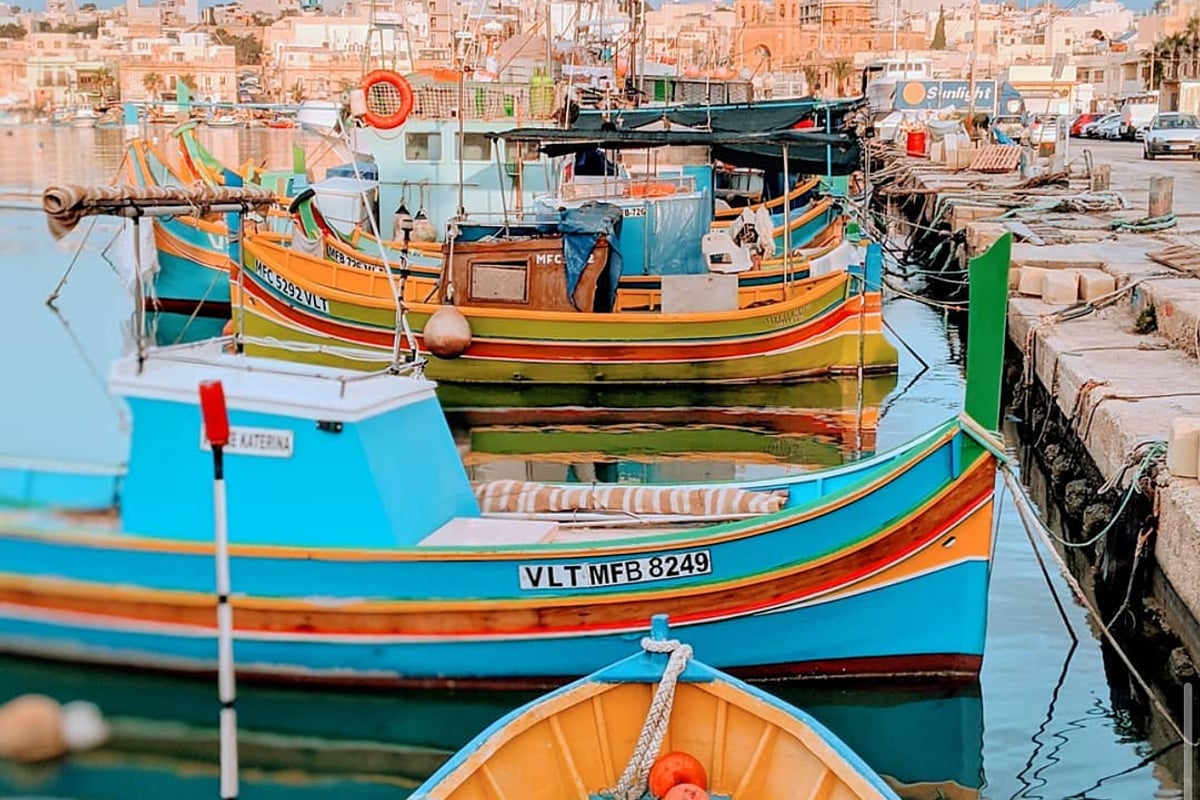
The Three-bays Tour takes you to St. Peter's Pool, scenic bays, and the Hofriet Cave aboard a traditional luzzu boat, giving you an intimate view of Malta's stunning southern coastline with small groups and a local skipper.
Timing Your Visit: When Cruises to Valletta Malta Are Best
Malta enjoys over 300 days of sunshine annually, but cruise season varies in intensity throughout the year. Understanding seasonal patterns helps set realistic expectations.
Peak cruise season runs from April through November, with the heaviest traffic in May, September, and October. Multiple ships often dock simultaneously during these months, which means crowded attractions but also vibrant energy throughout the city.
| Month | Ships/Week | Weather | Crowd Level | Notes |
|---|---|---|---|---|
| Jan-Feb | 2-3 | Cool, mild | Low | Quiet exploration |
| Mar-Apr | 5-7 | Warming | Moderate | Wildflowers bloom |
| May-Jun | 8-12 | Warm, dry | High | Perfect weather |
| Jul-Aug | 6-8 | Hot | High | Very warm |
| Sep-Oct | 10-15 | Pleasant | Very High | Peak season |
| Nov-Dec | 3-5 | Mild | Low | Off-season calm |
Summer temperatures regularly exceed 30°C (86°F), with August being the hottest month. If you're visiting during summer cruises to Valletta Malta, carry water, wear sunscreen, and plan indoor activities during midday heat.
Planning Around Multiple Ship Days
The Valletta port schedule shows when several cruise ships dock simultaneously. On these days, popular attractions fill quickly, and restaurants near the port get busy.
Three or four ships in port means 8,000 to 12,000 additional people in a small city. Head to lesser-known spots or visit major sites either very early or after 3 PM when tour groups return to ships. Local restaurants away from Republic Street offer better value and authentic food without the crowds.
Dining and Food Experiences During Your Port Stop
Maltese cuisine blends Italian, North African, and British influences into something uniquely its own. Don't leave without trying local specialties, even if you're only ashore for a few hours.
Quick Bites and Street Food
Traditional Maltese snacks perfect for cruise visitors:
- Pastizzi: flaky pastry with ricotta or pea filling (€0.50-1)
- Ħobż biż-żejt: crusty bread with tomatoes, capers, olives (€3-5)
- Qassatat: savory pies with ricotta or peas (€1-2)
- Imqaret: date-filled pastries, often deep-fried (€1)
- Ftira: traditional Maltese flatbread sandwich (€4-6)
Crystal Palace in Rabat serves excellent pastizzi if you venture to Mdina. In Valletta itself, try the small bakeries on side streets rather than tourist-focused cafes on Republic Street.
Sit-Down Meals Worth Your Time
Nenu the Artisan Baker specializes in ftira and traditional Maltese platters. Their portions are generous, prices reasonable, and the atmosphere genuinely local. Reservations help, though they sometimes accommodate walk-ins during off-peak hours.
For fresh seafood, head to the Marsaxlokk waterfront where several restaurants serve the morning's catch. The Sunday fish market adds extra vibrancy, though restaurants operate daily. This fishing village provides a stark contrast to Valletta's urban energy, and it's easily reached by public bus.
Practical Tips for Making the Most of Your Valletta Cruise Stop
Successful port days balance planning with flexibility. These practical suggestions help you avoid common pitfalls and maximize your limited time ashore.
Essential Items to Carry
Malta's limestone pavement can be uneven and slippery when wet. Comfortable walking shoes matter more than fashion, especially on Valletta's steep streets. The city's hills provide stunning views but challenge those unprepared for the climbs.
Pack these items for your shore day:
- Comfortable walking shoes with good grip
- Sunscreen (Mediterranean sun is strong year-round)
- Hat or cap for sun protection
- Refillable water bottle
- Small amount of cash (some vendors don't accept cards)
- Cruise ship ID and boarding pass
- Phone with offline maps downloaded
- Light jacket (churches require covered shoulders)
Money Matters and Payment Options
Malta uses the Euro, making transactions simple for travelers from most European countries. ATMs are widely available in Valletta, though those at the cruise terminal charge higher fees. Walk into the city center for better rates.
Most restaurants and shops accept credit cards, but small vendors, market stalls, and some historic sites prefer cash. Carrying €50-100 in small denominations covers most situations without risk of carrying too much.
Tipping isn't mandatory in Malta, but rounding up or leaving 5-10% for good service is appreciated. Some restaurants include a service charge, so check your bill before adding extra.
Photography Opportunities and Scenic Viewpoints
Valletta rewards photographers with dramatic compositions at every turn. Golden limestone buildings glow beautifully in morning and late afternoon light.
The Upper Barrakka Gardens provide the classic Grand Harbour view that appears in countless Malta photographs. Arrive at sunrise if your ship docks overnight for magical light and empty terraces. The less-visited Lower Barrakka Gardens offer equally stunning perspectives without crowds.
Best Photo Locations Beyond the Obvious
Hidden viewpoints cruise passengers often miss:
- St. Ursula Street: colorful balconies and narrow perspective
- Hastings Gardens: quiet terrace overlooking Marsamxett
- Fort St. Elmo tip: dramatic harbor entrance views
- Strait Street: historic character and interesting doorways
- Three Cities waterfront: Valletta skyline across the water
The glass elevator area provides excellent harbor shots, especially when traditional boats pass below. Time your visit with the dgħajsa water taxi crossings for added interest in compositions.
Understanding Malta's Maritime Heritage
Malta's strategic location made it a naval prize throughout history. Phoenicians, Romans, Arabs, Normans, Knights of St. John, French, and British all controlled these islands at various points.
The Knights of St. John built Valletta after the Great Siege of 1565, designing it as a fortress city to withstand future Ottoman attacks. Grand Master Jean de Valette gave the city his name, and construction followed a grid pattern unusual for the era.
British rule from 1800 to 1964 left visible marks, from red phone boxes to driving on the left. Malta played a crucial role in World War II, earning the George Cross for its people's bravery during intense bombing campaigns.
Traditional Boats and Fishing Culture
The colorful luzzu boats you see in harbors connect directly to Phoenician design elements preserved over 3,000 years. The "Eye of Osiris" painted on each bow supposedly protects fishermen from danger, blending ancient Egyptian symbolism with Christian faith.
Traditional boat building continues in small workshops, though fiberglass increasingly replaces wood. Families pass down fishing knowledge through generations, maintaining connections to maritime traditions even as tourism grows in importance.
Boat tours around Malta often use these traditional vessels, providing authentic experiences that connect visitors with local culture in meaningful ways. The southern coastline particularly rewards exploration by water, revealing caves, swimming spots, and perspectives impossible to reach on foot.
Shopping and Souvenirs Worth Bringing Home
Valletta offers shopping options ranging from mass-produced tourist items to genuine artisan crafts. Knowing the difference helps you bring home meaningful mementos rather than generic souvenirs.
Authentic Maltese Products
Maltese silver filigree jewelry requires genuine skill to produce. Artisans twist thin silver wires into intricate patterns, creating delicate earrings, brooches, and pendants. Prices reflect the labor-intensive process, but you're supporting traditional craftsmanship.
Ta' Qali Crafts Village near Mdina hosts workshops where you can watch glassblowers, potters, and silversmiths at work. Items purchased directly from makers ensure authenticity and fair prices.
Quality souvenirs representing Malta:
- Filigree silver jewelry
- Mdina glass (handblown, colorful)
- Traditional lace from Gozo
- Local honey (especially thyme honey)
- Maltese sea salt
- Artisan olive oil
- Carob products
Republic Street's main shopping district offers convenience but typically higher prices. Side streets house smaller shops with better values and more distinctive items. The Malta Artisan Centre near Fort St. Elmo showcases work from multiple local craftspeople under one roof.
Special Considerations for First-Time Visitors
If this is your first time on cruises to Valletta Malta, a few insider tips help you avoid common mistakes and make the most of limited port time.
Church visiting requires modest dress covering shoulders and knees. Many cruise passengers underestimate this requirement and miss seeing St. John's Co-Cathedral or other religious sites. Carry a lightweight scarf or shawl that packs easily.
Language and Communication
English serves as an official language alongside Maltese, making communication easy. Most Maltese speak excellent English, and all signs appear in both languages. You'll have no trouble asking directions, ordering food, or arranging transportation.
The Maltese language sounds completely foreign to most visitors, mixing Arabic roots with Italian and English influences. Locals appreciate visitors who learn a few basic phrases like "bongu" (good morning) or "grazzi" (thank you), though it's entirely unnecessary for practical purposes.
Weather Preparedness Throughout the Year
Malta's Mediterranean climate brings hot, dry summers and mild, occasionally rainy winters. Cruise passengers need different preparations depending on travel dates.
Summer visitors (June through September) face intense sun and heat. Seek shade during midday, drink plenty of water, and pace yourself on uphill walks. Many shops and restaurants close for afternoon siesta between 1 PM and 4 PM during peak summer.
Winter cruises to Valletta Malta (November through March) encounter mild temperatures averaging 15-18°C (59-64°F), but occasional rain showers arrive unpredictably. Pack a light rain jacket and check forecasts before your shore day. Museums and indoor attractions become more appealing during winter visits.
Spring (April-May) and autumn (October-November) provide ideal conditions with comfortable temperatures, lower humidity, and minimal rainfall. These shoulder season periods also mean fewer cruise ships and smaller crowds at popular sites.
Accessibility Considerations for Valletta Visits
Valletta's historic streets present challenges for visitors with mobility limitations. The city rises sharply from sea level, with many streets featuring steps and steep inclines.
The glass elevator connecting the waterfront to Upper Barrakka Gardens provides barrier-free access to the city center. Once at upper level, Republic Street is relatively flat and accessible, though some shops have threshold steps.
Accessibility features to note:
- Glass elevator from cruise terminal (wheelchair accessible)
- Republic Street mostly flat with dropped curbs
- Many museums offer ground floor access
- Accessible restrooms in newer facilities
- Some attractions have stairs with no alternatives
Cruise lines often offer accessible shore excursions with modified itineraries. If booking independently, research specific venues in advance. The detailed port information helps you plan realistic activities based on mobility needs.
Taxis can accommodate folding wheelchairs, though specialized accessible vehicles require advance booking. Notify your cruise line's shore excursion desk about specific needs before reaching Malta.
Staying Connected During Your Port Visit
WiFi availability in Valletta ranges from excellent to nonexistent depending on location. Many cafes and restaurants offer free WiFi to customers, though connection quality varies.
The cruise terminal provides free WiFi in designated areas, though speeds slow considerably when multiple ships are in port. Public spaces like Upper Barrakka Gardens lack connectivity, so download maps and important information before leaving your ship.
European mobile plans typically include Malta without roaming charges, but verify your specific plan. Visitors from other regions should confirm international rates or purchase local SIM cards if staying beyond cruise ship hours.
Making the Most of Limited Time in Port
Short port stays require prioritization. Focus on one or two experiences rather than rushing through a checklist of attractions.
4-hour port stop priorities:
- Walk to Upper Barrakka Gardens for harbor views
- Visit St. John's Co-Cathedral
- Stroll Republic Street and side alleys
- Try pastizzi or traditional Maltese lunch
- Return to ship with buffer time
8-hour port stop additions:
- Visit Mdina or the Three Cities
- Take a boat trip from Marsaxlokk
- Explore Fort St. Elmo and War Museum
- Shop for authentic local crafts
- Enjoy leisurely meal at local restaurant
Always maintain a 30-60 minute buffer before your ship's all-aboard time. Port traffic can slow taxi returns, and getting lost in Valletta's maze of streets happens easily. Missing the ship creates expensive complications far outweighing any shore experience.
The comprehensive port guide includes timing suggestions for major attractions, helping you plan realistic itineraries based on actual distances and queue times.
Cruises to Valletta Malta offer a remarkable blend of history, culture, and Mediterranean beauty concentrated in one of Europe's smallest capitals. Whether you spend four hours or a full day ashore, proper planning transforms your port stop from rushed tourism into meaningful exploration that reveals Malta's authentic character. Ready to experience Malta's southern coastline from a different perspective? Rima Cruises operates traditional boat tours from Marsaxlokk, showing you hidden caves, swimming spots, and coastal beauty that most cruise passengers never discover.